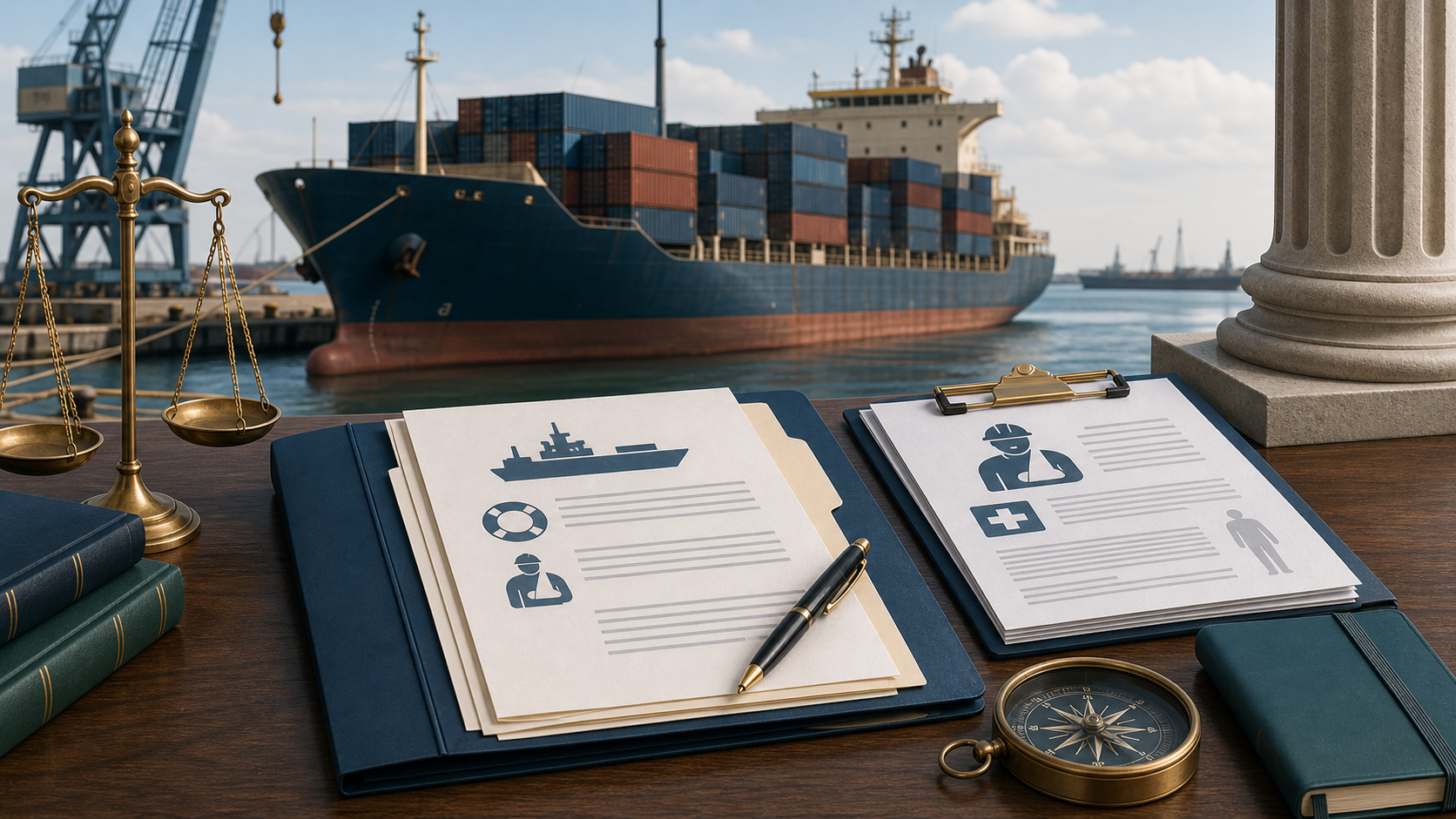
A maritime lawyer handles legal problems connected to ships, offshore work, docks, cargo, marine insurance, vessel collisions, seafarer injuries, and other matters involving navigable waters. The field is also called admiralty law, and it blends federal statutes, court-made maritime principles, contracts, insurance, and industry practice.
Injury claims are a major part of the field
Many people search for maritime lawyers after an injury. Seamen may have claims under the Jones Act, which allows certain injured seamen to bring negligence claims against their employers. Other workers may fall under the Longshore and Harbor Workers' Compensation Act. Different rules can apply depending on the worker's role, vessel connection, location, and employer.
Maritime lawyers also handle business disputes
Not every maritime lawyer is an injury lawyer. Some handle cargo damage, charter party disputes, vessel arrests, marine insurance, collisions, salvage, pollution, liens, ship finance, and commercial contracts. These matters often involve federal court, arbitration, international documents, and specialized terminology.
- Jones Act injury claims for qualifying seamen.
- Maintenance and cure disputes.
- Longshore and harbor worker claims.
- Cargo, vessel, and marine insurance disputes.
- Offshore platform, dock, and shipyard legal issues.
When to look for maritime experience
Look for maritime experience when the case involves a vessel, crew member, offshore job, longshore work, harbor work, cargo, or marine insurance. A general injury or business lawyer may be excellent in other settings but unfamiliar with maritime deadlines, remedies, and jurisdiction.
Why status and location matter
Maritime injury cases often turn on status. A worker may be treated as a seaman, longshore worker, harbor worker, passenger, contractor, or ordinary land-based employee. The same fall can lead to different rights depending on the worker's duties, the vessel connection, and where the accident happened. That is why maritime lawyers spend time on facts that may sound technical to a client.
The remedy also matters. A seaman may ask about Jones Act negligence, unseaworthiness, and maintenance and cure. A longshore worker may be dealing with an administrative compensation system. A passenger may have a ticket contract with notice and filing limits. A cargo dispute may have contract documents and international rules.
What to bring to a maritime consultation
- Job title, employer, vessel name, and work location.
- Accident reports, witness names, photos, and medical records.
- Employment contract, crew documents, or union paperwork.
- Insurance letters, benefit notices, or maintenance and cure communications.
- Any ticket, bill of lading, charter agreement, or cargo paperwork.
Maritime lawyers are useful because they know which facts control the legal path. A quick consultation can prevent a worker or business from treating a specialized maritime dispute like an ordinary state-law claim.
Why timing can be different
Maritime disputes may involve contract notice periods, federal statutes, administrative claims, or court filing deadlines. Passenger tickets, employment documents, and cargo contracts can contain language that affects where and how a claim is brought. Injury victims and businesses should preserve documents immediately instead of waiting to see whether the dispute resolves informally.
Evidence can also disappear quickly around vessels and docks. Logs, maintenance records, witness assignments, surveillance footage, weather data, and cargo records may be controlled by different companies. Maritime counsel can send preservation letters and identify the right parties before the record goes cold.
For businesses, the same urgency applies to contracts and insurance. A cargo or vessel dispute may depend on notice language, limitation clauses, inspection records, and insurer reporting deadlines. Maritime lawyers help clients read those documents before a commercial disagreement becomes a larger loss.
Maintenance and cure is a common seaman issue
In seaman injury matters, maritime lawyers often evaluate maintenance and cure. In plain terms, that can involve living expenses and medical treatment owed to an injured seaman under maritime principles, separate from a negligence claim. Disputes may arise over whether the worker qualifies, whether treatment is related, when maximum medical improvement occurs, and whether the employer is paying the right amount.
Maritime work is document-heavy
A maritime lawyer may spend as much time with documents as with courtroom argument. Vessel logs, safety manuals, inspection reports, crew assignments, weather data, maintenance records, contracts, cargo documents, and insurance policies can all matter. In a commercial case, the important document may be a charter party or bill of lading. In an injury case, it may be a crew list, incident report, or medical evacuation record.
- For injured workers, status and vessel connection often shape the legal path.
- For passengers, ticket terms may affect notice, venue, and timing.
- For cargo disputes, contract documents and inspection records can control the claim.
- For vessel businesses, insurance notice and limitation language can be urgent.
- For offshore work, multiple companies may share responsibility.
Because maritime law is specialized, a consultation should focus on fit. Ask whether the lawyer has handled the same kind of maritime issue, whether the case belongs in federal court or an administrative process, what deadlines may apply, and what evidence should be preserved immediately. The right lawyer should be able to explain why maritime law changes the analysis.
The industry context also matters. A lawyer who understands vessel operations, crew hierarchy, offshore schedules, dock work, cargo handling, or marine insurance can ask better questions from the start. That background helps identify responsible parties and avoid missing a claim against an owner, operator, contractor, charterer, manufacturer, or insurer.
For clients, the practical takeaway is simple: do not wait to find out whether the case is maritime. If the facts involve navigable water, a vessel, offshore work, longshore work, cargo, or marine insurance, raise that issue in the first consultation so the lawyer can evaluate the correct legal framework.
That early classification can affect everything that follows: which court or agency hears the matter, what remedies exist, what deadlines apply, and which defendants or insurers should receive notice. Maritime lawyers are valuable because they spot those forks early.
For injured workers and maritime businesses alike, the best first move is preservation. Save documents, identify witnesses, photograph conditions when safe, and avoid signing broad releases before the legal category is clear. Early discipline can decide the case later in federal court.